
Few things ruin an otherwise perfect evening outdoors faster than the high-pitched whine of a mosquito hovering near your ear. Mosquitos are more than just an annoyance; they can disrupt backyard gatherings, make gardening miserable, and even pose health risks. Understanding why mosquitoes thrive and how to effectively reduce their presence is the first step toward reclaiming your outdoor spaces and making those pesky insects disappear for good.
Mosquitos are attracted to environments that provide three essentials: standing water, warmth, and a food source. Even small amounts of stagnant water—such as in birdbaths, clogged gutters, or forgotten flowerpot trays—can serve as breeding grounds.
Female mosquitoes lay their eggs in water, and within days, larvae can mature into biting adults. Add humid weather and the carbon dioxide we exhale, and your yard can quickly become a mosquito magnet.
One of the simplest and most effective strategies for reducing mosquito populations is eliminating standing water. Regularly empty containers that collect rainwater, refresh birdbaths at least twice a week, and ensure gutters and drains are clear. Fixing leaky outdoor faucets and improving yard drainage can also make a noticeable difference. By interrupting the mosquito life cycle at the breeding stage, you dramatically reduce their numbers before they ever start biting.
Landscaping choices also play an important role. Overgrown grass, dense shrubs, and piles of leaves provide shady, damp areas where mosquitoes like to rest during the day. Keeping your lawn trimmed, pruning bushes, and removing yard debris helps reduce these resting spots. Some homeowners also choose to incorporate mosquito-repelling plants such as citronella, lavender, basil, and marigolds. While plants alone won’t eliminate mosquitoes, they can be a helpful addition to a broader control strategy.
For those seeking more robust solutions, professional help can be a game-changer. A reputable mosquito control service can assess your property, identify problem areas, and apply targeted treatments designed to significantly reduce mosquito populations. These treatments often focus on areas where mosquitoes breed and rest, providing longer-lasting results than many do-it-yourself options. Professional services are especially beneficial for larger properties or areas with persistent mosquito issues.
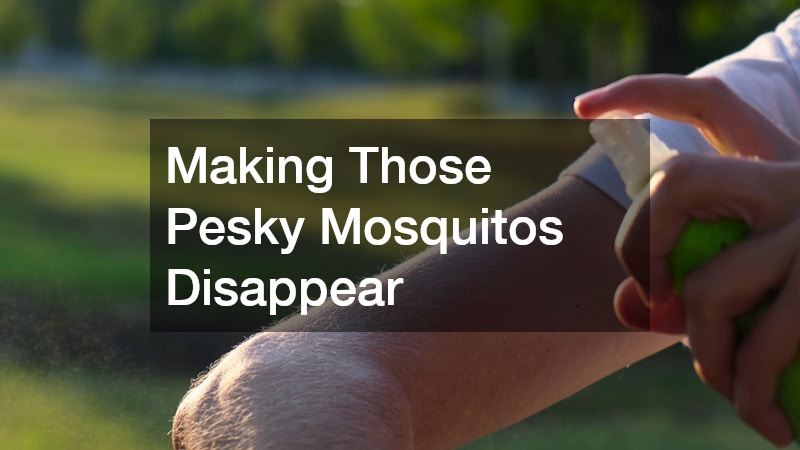
Personal protection measures shouldn’t be overlooked either. Wearing long sleeves and light-colored clothing can make you less attractive to mosquitoes, as darker colors tend to attract them. Using EPA-approved insect repellents on exposed skin is another reliable way to prevent bites. For patios and decks, fans can be surprisingly effective—mosquitoes are weak fliers, and even a gentle breeze can keep them at bay.
Technology has also brought new tools into the fight against mosquitoes. From bug zappers to carbon dioxide traps, modern devices aim to lure and eliminate mosquitoes before they reach you. While results vary depending on placement and environment, these tools can complement other control methods. When combined with regular yard maintenance and targeted treatments, they help create a multi-layered defense against infestations.
Community efforts can further enhance mosquito reduction. Mosquitos don’t respect property lines, so working with neighbors to eliminate standing water and maintain clean yards can have a significant collective impact. Some communities even organize coordinated treatment programs, often partnering with a mosquito control service to address widespread issues more effectively.
Beyond comfort, controlling mosquitoes is also about protecting health. Mosquitos are known carriers of diseases such as West Nile virus, dengue, and Zika. Reducing their population lowers the risk of transmission and contributes to a safer environment for families and pets. This makes proactive mosquito management not just a convenience, but a responsibility.
Consistency is key when it comes to long-term mosquito control. A one-time effort may bring temporary relief, but ongoing maintenance ensures lasting results. Regular inspections of your yard, seasonal treatments, and continued awareness help prevent mosquitoes from regaining a foothold. Many homeowners find that combining DIY measures with periodic professional treatments strikes the perfect balance between effectiveness and affordability.
Making those pesky mosquitoes disappear requires a thoughtful, layered approach. By eliminating breeding grounds, maintaining your landscape, protecting yourself, and considering professional support when needed, you can enjoy your outdoor spaces again. With persistence and the right strategies in place, your backyard can become a haven for relaxation rather than a feeding ground for mosquitoes—and summer evenings can once again be something to look forward to.
To build on these efforts, timing also matters. Mosquitos are most active during dawn and dusk, so planning outdoor activities outside these peak hours can reduce exposure. Simple habits like closing doors quickly, repairing window screens, and using yellow outdoor lighting—which is less attractive to insects—can further limit their access to your home. Educating family members, especially children, about avoiding standing water and recognizing mosquito-prone areas encourages shared responsibility. When all these small, thoughtful actions are combined, they create a powerful, sustainable approach that keeps mosquitoes under control and allows you to fully enjoy your home and yard with greater peace of mind.

About the Author