Your HVAC system—short for Heating, Ventilation, and Air Conditioning—is one of the most essential systems in your home. It keeps your living space comfortable year-round by warming it in the winter, cooling it in the summer, and maintaining healthy air circulation and quality. But despite using it daily, many homeowners don’t fully understand how this complex system operates. Knowing how your HVAC system works can help you spot issues early and know when it’s time to schedule professional maintenance or AC repair.
Let’s take a closer look at the components of an HVAC system and how they work together to regulate temperature and airflow in your home.
The Basics: What Is an HVAC System?
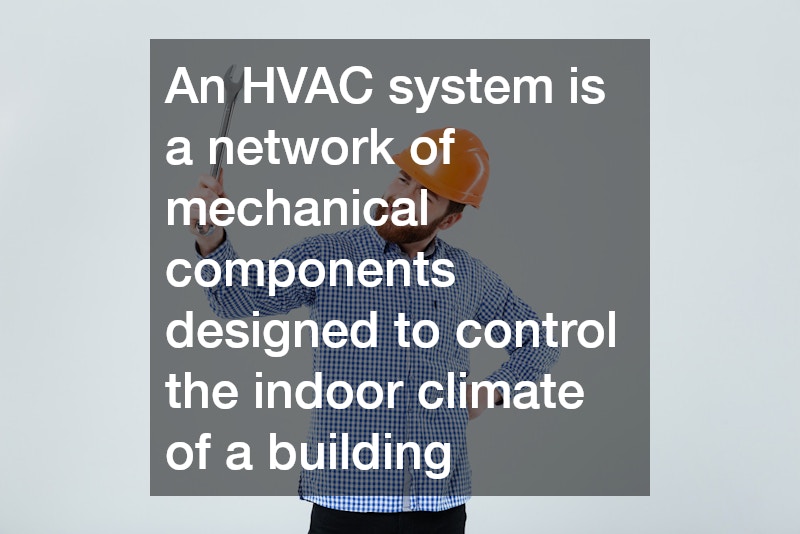
An HVAC system is a network of mechanical components designed to control the indoor climate of a building. It consists of three main parts:
-
Heating – Usually powered by a furnace or heat pump, this part of the system keeps your home warm during cold weather.
-
Ventilation – This part ensures consistent air movement throughout your home, removes stale air, and filters pollutants.
-
Air Conditioning – Responsible for cooling and dehumidifying indoor air in warmer seasons.
Each part of the system relies on the others to maintain your home’s overall comfort and air quality. When one component malfunctions, it can impact the entire system—making regular maintenance and timely AC repair especially important.
How the Heating System Works
The heating component in most U.S. homes is a furnace, which may run on natural gas, oil, propane, or electricity. Here’s how it typically works:
-
The thermostat detects that the indoor temperature has dropped below your desired setting.
-
The furnace turns on, and a heat exchanger warms up.
-
Air is pulled through the return vents, passes over the heat exchanger, and becomes warm.
-
The blower fan pushes this heated air through your ductwork and into each room via supply vents.
In homes with heat pumps, the process is slightly different. A heat pump extracts heat from the outdoor air—even in cold temperatures—and transfers it inside using refrigerant. During warmer months, the process reverses, allowing the heat pump to function as an air conditioner.
How the Air Conditioning System Works
The cooling component of your HVAC system is what most people think of when they hear “AC.” It uses a refrigeration cycle to remove heat and humidity from indoor air. Here’s a simplified breakdown of the process:
-
Warm air from your home is pulled through return ducts and blown across the evaporator coil.
-
The evaporator coil, located inside your indoor unit, contains cold refrigerant that absorbs heat from the air.
-
The cooled air is then circulated back into your home through the supply vents.
-
The heat absorbed by the refrigerant is transferred to the outdoor unit, where the condenser coil releases it into the outside air.
-
The refrigerant is cycled back into the evaporator coil to start the process again.
If any part of this cycle fails—such as a refrigerant leak, a malfunctioning compressor, or a clogged air filter—you may need professional AC repair to restore your system’s performance.
How Ventilation Keeps Your Air Fresh
While heating and cooling grab most of the attention, ventilation is just as important. It’s the system that exchanges stale indoor air with fresh outdoor air and filters out dust, allergens, and pollutants.
A modern HVAC system includes air filters, ducts, return and supply vents, and sometimes additional equipment like air purifiers or humidifiers. These elements ensure that clean, properly humidified air is evenly distributed throughout your home.
If you notice poor air quality, uneven temperatures between rooms, or excess dust, it might be time to inspect your ventilation system—or call an HVAC professional to evaluate whether your system needs cleaning or adjustments.
Common Issues That Require AC Repair
Like any major system in your home, HVAC units can experience wear and tear over time. Here are a few common problems that may require professional AC repair:
-
Refrigerant Leaks – Low refrigerant can prevent your AC from cooling effectively.
-
Dirty Filters – Clogged filters restrict airflow, reduce efficiency, and strain the system.
-
Frozen Evaporator Coils – Caused by poor airflow or refrigerant issues, frozen coils can block cooling altogether.
-
Malfunctioning Thermostat – If your thermostat isn’t working properly, it can throw off temperature regulation.
-
Compressor Problems – The compressor is essential for heat exchange, and failure usually requires expert attention.
Scheduling seasonal maintenance can prevent many of these problems and ensure your system runs efficiently year-round.
Tips to Maintain Your HVAC System
Proper maintenance is the best way to extend the life of your HVAC system and avoid unexpected AC repair bills. Here are a few tips:
-
Change filters every 1–3 months, depending on use and household size.
-
Schedule professional HVAC inspections in the spring and fall to prepare for extreme weather.
-
Keep outdoor units clear of debris like leaves, grass, and branches.
-
Seal air leaks in your home to improve energy efficiency and reduce strain on the system.
-
Upgrade to a programmable thermostat to optimize comfort and energy use.
Your HVAC system works behind the scenes to keep your home comfortable, but it’s important to understand how it functions so you can care for it properly. From the compressor and evaporator coils to the furnace and ductwork, each part plays a role in maintaining a consistent indoor environment.
When issues arise—whether it’s a lack of cool air, strange noises, or rising energy bills—don’t ignore them. Call a trusted professional for AC repair before small problems turn into major breakdowns.
With regular maintenance and a little knowledge, you can keep your HVAC system running smoothly and your home feeling just right, no matter the season.
About the Author