- Clean frequently but gently: Regular sweeping and dusting prevent grit from scratching the wear layer.
- Control moisture: Use damp mops rather than soaking the floor; excessive water can warp seams and damage adhesives.
- Choose safe tools and cleaners: Microfiber mops, soft cloths, and pH-neutral cleaners protect vinyl surfaces, while abrasive tools, bleach, and wax should be avoided.
- Tailor cleaning to vinyl type: LVP, LVT, sheet vinyl, and rigid core vinyl each have specific care needs, such as cleaning along plank grain or avoiding seam saturation.
- Address stains and residue promptly: Targeted treatment for spills, scuffs, and sticky buildup keeps floors looking new and prevents permanent damage.
- Prevent damage between cleanings: Use mats, felt furniture pads, and avoid dragging heavy items to reduce wear.
- Follow manufacturer and warranty guidelines: Proper maintenance protects your investment and ensures warranty coverage isn’t voided.
Vinyl flooring is popular for a reason. It’s durable, affordable, water-resistant, and designed to look great with minimal effort. But “low maintenance” doesn’t mean “no maintenance.” Cleaning vinyl flooring the wrong way is one of the fastest ways to dull the finish, cause warping, or shorten its lifespan.
This guide breaks down how to clean vinyl flooring the right way, covering every major vinyl type, from luxury vinyl plank to sheet vinyl. You’ll learn what works, what to avoid, and how to build a cleaning routine that keeps your floors looking new for years.
What Makes Vinyl Flooring Different from Other Floors?
Vinyl flooring is made of layered synthetic materials designed to be resilient and flexible. Unlike hardwood or tile, vinyl has a protective wear layer that can be damaged by harsh chemicals, excess water, or abrasive tools.
Key traits that affect cleaning:
- A sealed surface that doesn’t need polishing or waxing
- Sensitivity to high heat and steam
- A wear layer that can be scratched or dulled by grit and residue
- Water resistance, not waterproofing (important distinction)
Understanding these traits is the foundation for cleaning vinyl floors correctly.
What Are the Main Types of Vinyl Flooring?
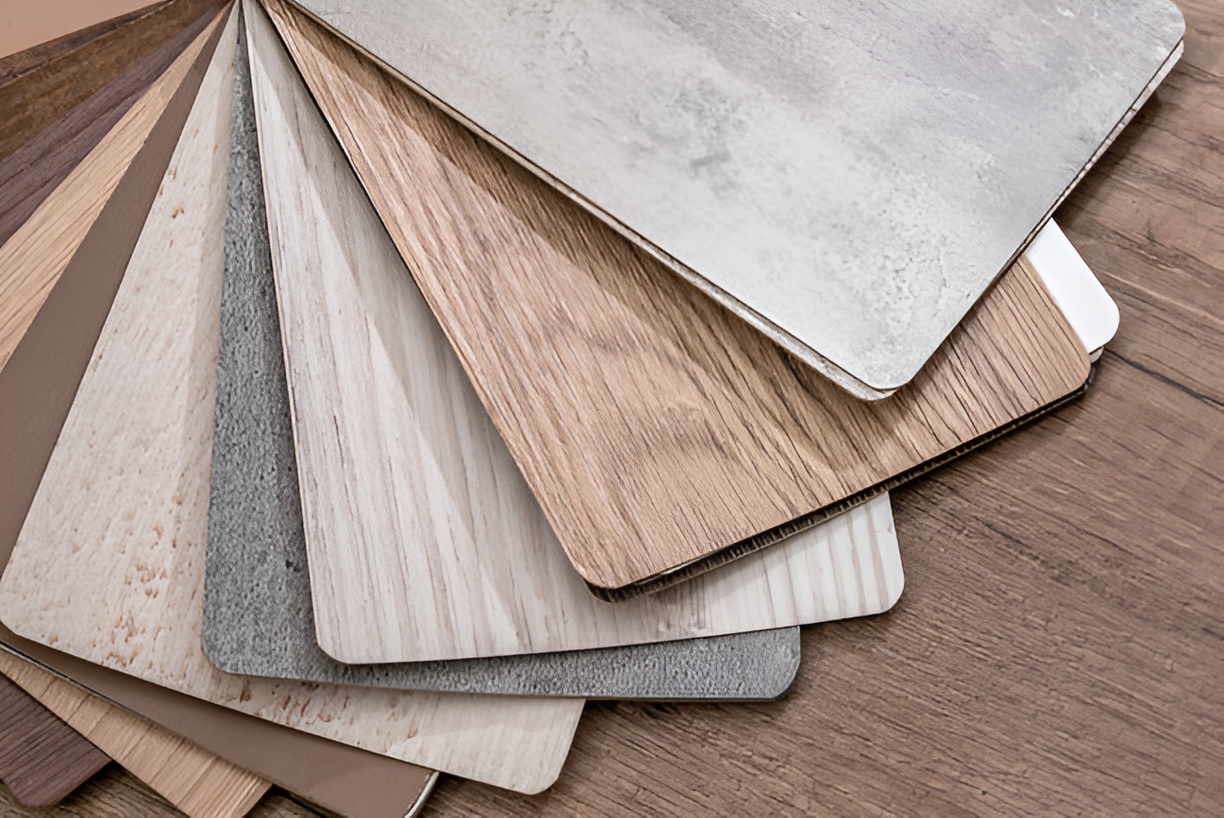
Before you clean, you need to know what you’re working with. While many cleaning principles overlap, different vinyl types have specific considerations.
Common vinyl flooring types include:
- Luxury Vinyl Plank (LVP)
- Luxury Vinyl Tile (LVT)
- Sheet Vinyl
- Rigid Core Vinyl (SPC and WPC)
- Peel-and-Stick Vinyl Tiles
This guide will call out type-specific tips as needed.
How Often Should You Clean Vinyl Flooring?
Consistency matters more than intensity. Vinyl responds best to regular, gentle cleaning rather than aggressive deep cleans.
General cleaning frequency:
- Daily or as needed: Dry dusting or sweeping
- Weekly: Damp mopping
- Monthly: Inspection and spot treatment
- Occasional: Targeted deep cleaning
High-traffic areas may need more frequent attention, especially kitchens, entryways, and homes with pets.
What Tools Are Safe for Cleaning Vinyl Flooring?
Using the wrong tools can do more damage than dirt itself.
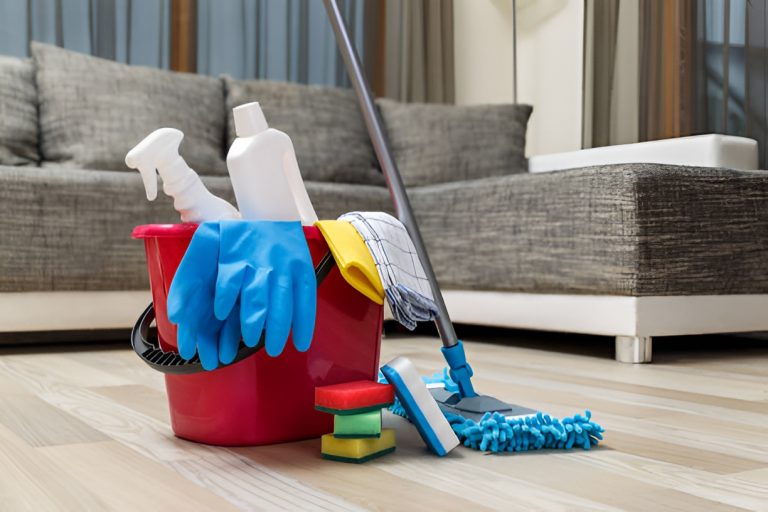
Safe tools include:
- Soft-bristle broom
- Microfiber dust mop
- Microfiber mop head
- Spray mop with controlled moisture
- Soft cloths or sponges
Tools to avoid:
- Steel wool or scouring pads
- Hard-bristle brushes
- Steam mops
- Vacuum beater bars (unless labeled vinyl-safe)
Always prioritize tools that lift dirt without grinding it into the surface.
What Cleaners Work Best on Vinyl Floors?
Vinyl flooring doesn’t need heavy-duty cleaners. In fact, many commercial floor cleaners are too harsh.
Safe cleaner options:
- Warm water with a small amount of mild dish soap
- pH-neutral vinyl floor cleaners
- Diluted white vinegar (used sparingly)
- Manufacturer-recommended cleaners
Cleaners to avoid:
- Ammonia
- Bleach
- Abrasive powders
- Wax or polish products
- Oil-based cleaners
Residue buildup is one of the most common reasons vinyl floors lose their shine.
How to Clean Vinyl Flooring Daily Without Overdoing It
Daily cleaning is about damage prevention, not deep cleaning. The goal is to remove loose debris before it has a chance to scratch the wear layer or get ground into the surface.
For most homes, daily vinyl floor care should be dry whenever possible. Dust, sand, and pet hair are the biggest culprits, especially near entrances and in walkways.
A smart daily routine includes:
- Sweeping or using a microfiber dust mop to pick up grit and fine particles
- Paying extra attention to entryways, hallways, and kitchen traffic lanes
- Spot cleaning spills as soon as they happen using a damp cloth
Avoid wet mopping daily unless absolutely necessary. Excess moisture, even in small amounts, adds up over time and can weaken seams or adhesives.
Dirt particles act like sandpaper under your feet. Removing them early helps preserve the finish and prevents micro-scratches that make floors look dull long before they should.
How to Clean Vinyl Flooring Weekly with a Damp Mop
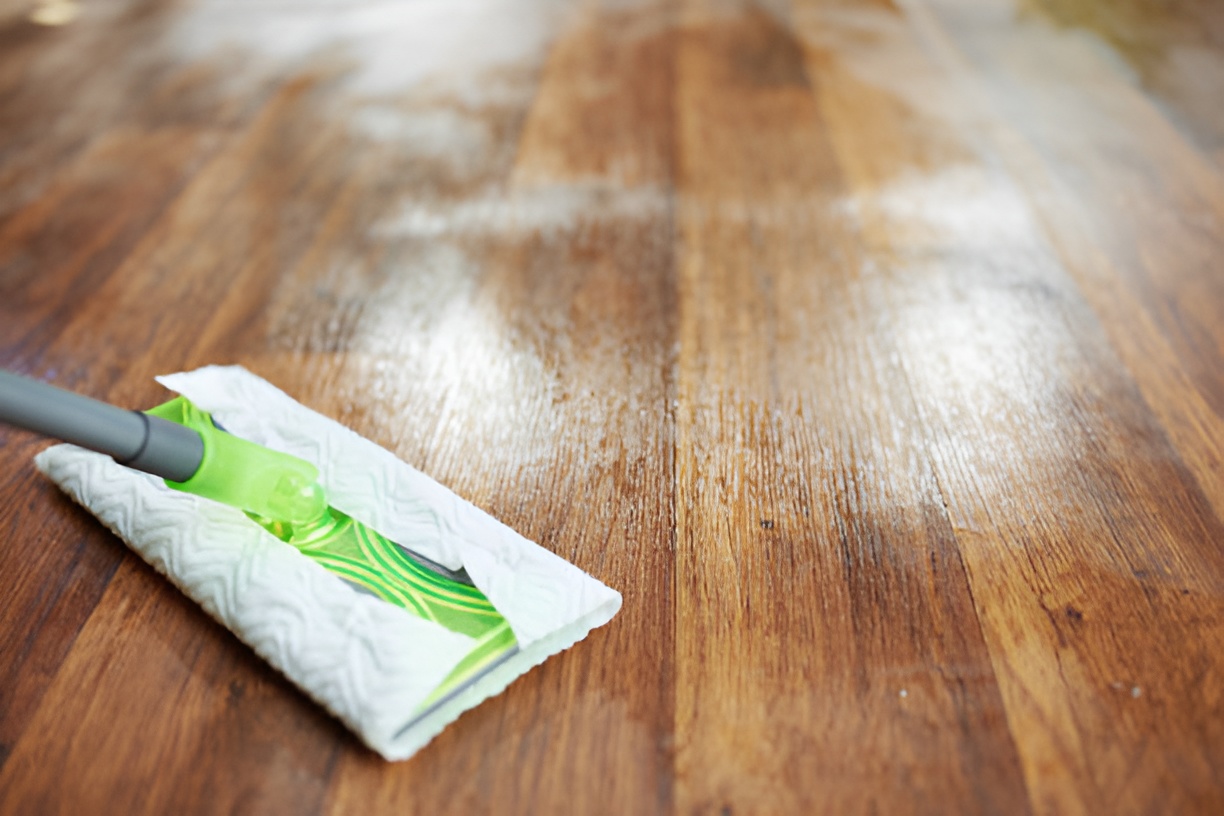
Weekly cleaning tackles the grime that sweeping alone can’t remove, such as oils, sticky residue, and tracked-in dirt.
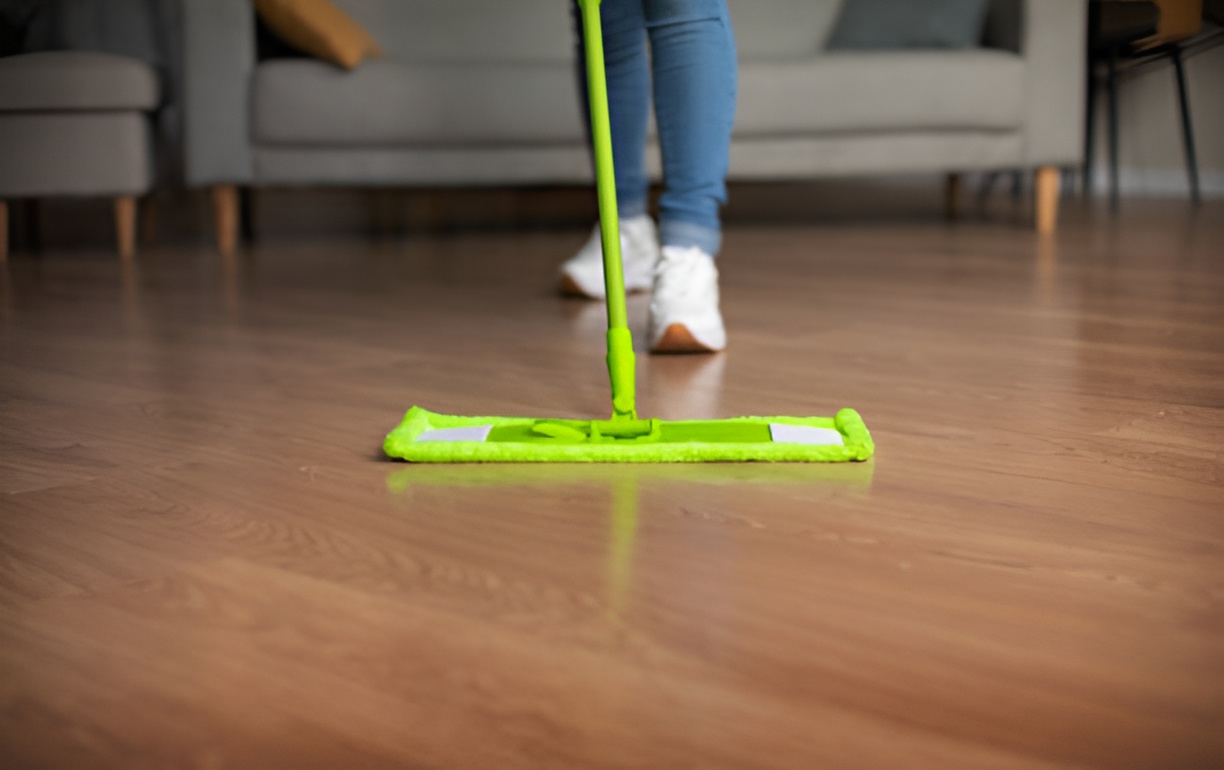
The key is controlled moisture. Vinyl floors should be damp, never wet.
A safe weekly cleaning process looks like this:
- Sweep or dust mop thoroughly to remove loose debris
- Mix a gentle cleaning solution using warm water and a small amount of mild soap or a pH-neutral vinyl cleaner
- Lightly dampen your mop so it’s just barely wet
- Mop in manageable sections, following the plank direction if applicable
- Rinse the mop often to avoid spreading dirty water
- Allow the floor to air dry or wipe it down with a clean microfiber cloth
Never pour water directly onto vinyl flooring. If puddles form, you’re using too much water. When it comes to vinyl, less water always equals better results.
How to Clean Vinyl Flooring Without Leaving Streaks
Streaks are one of the most common complaints with vinyl flooring, and they’re almost always caused by residue buildup, not dirt.
Streak-free cleaning comes down to restraint and rinse control.
To prevent streaks:
- Use less cleaner than you think you need
- Avoid soap-heavy or overly concentrated solutions
- Change mop water frequently so you’re not reapplying residue
- Rinse with clean water if buildup is suspected
- Use microfiber mops, which lift residue instead of spreading it
If streaks are already visible, a simple mop with plain warm water is often enough to fix the issue. In stubborn cases, follow with a dry microfiber cloth to remove remaining moisture.
Clean vinyl floors should dry evenly and look consistent, not shiny in patches.
How to Clean Luxury Vinyl Plank (LVP) the Right Way
Luxury vinyl plank is designed to mimic hardwood, and like hardwood, it benefits from directional cleaning and careful moisture control.
Because LVP often has textured grain patterns, dirt can settle into grooves if not removed properly.
Best practices for cleaning LVP include:
- Sweeping daily to remove abrasive grit
- Mopping along the plank grain to lift dirt from textured surfaces
- Using microfiber mop heads that can reach into grooves
- Avoiding excess water near seams and edges
- Placing mats at entry points to reduce tracked-in debris
Many LVP scratches aren’t caused by wear but by fine particles being dragged across the surface. Keeping floors grit-free is the most effective way to maintain their appearance.
How to Clean Luxury Vinyl Tile (LVT) Safely
Luxury vinyl tile has a tile-like look, often complete with grout-style seams, but it should never be cleaned like ceramic tile.
Those seams can trap dirt, oils, and residue if not cleaned gently.
Key cleaning tips for LVT:
- Use a soft cloth or soft-bristle brush for seam lines
- Avoid grout cleaners, bleach, or abrasive scrubbers
- Clean seams gently without aggressive pressure
- Rinse thoroughly to prevent haze or film buildup
Even though LVT looks like tile, it relies on a protective wear layer that can be damaged by harsh scrubbing or chemical cleaners.
How to Clean Sheet Vinyl Without Damaging Adhesive
Sheet vinyl is seamless across large areas, but it’s especially vulnerable at the edges where moisture can seep underneath.
When cleaning sheet vinyl, moisture control is critical.
Important precautions include:
- Wringing mops thoroughly before use
- Avoiding soaking edges, baseboards, or seams
- Drying the floor promptly after cleaning
- Never using steam mops or excessive heat
Curling or lifting edges are often the result of repeated over-wetting during cleaning. Gentle, controlled mopping keeps adhesives intact and extends the life of the floor.
How to Clean Rigid Core Vinyl Flooring (SPC and WPC)
Rigid core vinyl flooring, including SPC and WPC, is more dimensionally stable than traditional vinyl, but it still requires careful cleaning.
While these floors handle moisture better, they’re not immune to damage.
Best cleaning practices include:
- Using minimal moisture during mopping
- Cleaning spills promptly to prevent seam penetration
- Avoiding extreme temperature changes that can stress the core
- Following manufacturer cleaning guidelines closely
Water resistance doesn’t mean waterproof at the seams. Regular, gentle cleaning keeps rigid core vinyl looking new without risking long-term issues.
How to Clean Vinyl Flooring in Kitchens and Bathrooms
Kitchens and bathrooms introduce unique challenges, including grease, humidity, soap residue, and frequent spills.
In kitchens:
- Use a mild soap solution to cut grease buildup
- Spot clean spills immediately to prevent staining
- Sweep often to remove abrasive crumbs and grit
In bathrooms:
- Remove soap scum with a diluted vinegar solution used sparingly
- Dry floors after mopping to prevent moisture buildup
- Improve ventilation to reduce humidity
Controlling moisture and residue is just as important as cleaning in these spaces.
How to Clean Vinyl Flooring with Pets and Kids
Homes with pets and kids demand more frequent maintenance, but aggressive cleaning isn’t the answer.
A few smart habits make a big difference:
- Sweep or dust mop daily to remove hair and dirt
- Use washable mats in feeding and play areas
- Trim pet nails to reduce scratching
- Clean accidents immediately to prevent staining or odor
Gentle, frequent cleaning is far more effective than occasional heavy scrubbing and helps preserve the wear layer over time.
How to Remove Stains from Vinyl Flooring
Most vinyl stains are surface-level and respond well to targeted treatment.
Common stain solutions include:
- Food and drink stains: Mild soap and warm water
- Scuff marks: Baking soda applied with a damp cloth
- Ink or marker: Rubbing alcohol on a soft cloth
- Sticky residue: Warm water and gentle scraping with a plastic card
Never scrub aggressively or use sharp tools. Always test spot treatments in an inconspicuous area first to avoid discoloration or damage.
How to Clean Vinyl Flooring That Looks Dull or Cloudy
Dull or cloudy vinyl flooring is usually coated with cleaner residue, not worn out.
To restore clarity:
- Mop with plain warm water to remove buildup
- Use a diluted vinegar-water solution sparingly if needed
- Rinse thoroughly to remove remaining residue
- Stop using waxes, polishes, or shine-enhancing products
Vinyl flooring isn’t designed to be polished. Its shine comes from a clean, residue-free surface.
Can You Use Steam Mops on Vinyl Flooring?
The short answer is no.
Steam mops:
- Can weaken adhesives
- Can cause warping or seam separation
- Often void manufacturer warranties
Even models marketed as “vinyl-safe” pose risks due to heat and moisture. For long-term protection, stick to damp mopping with controlled water use.
How to Deep Clean Vinyl Flooring Safely
Deep cleaning vinyl flooring should still feel controlled and gentle, not aggressive.
A safe deep-clean process includes:
- Removing furniture carefully to avoid scratches
- Sweeping thoroughly to eliminate grit
- Mopping with a neutral vinyl cleaner
- Treating stains individually rather than scrubbing the entire floor
- Rinsing with clean water to remove residue
- Drying completely before replacing furniture
Deep cleaning is about precision, not pressure.
How to Protect Vinyl Flooring Between Cleanings
Preventative care reduces cleaning time and extends the life of your floors.
Effective protection strategies include:
- Using felt pads under furniture legs
- Placing mats at entrances to trap grit
- Avoiding dragging heavy items across the floor
- Removing dirt promptly before it spreads
- Using floor protectors under rolling chairs
Clean floors last longer when they’re also protected from everyday wear.
How to Clean Vinyl Flooring and Maintain Warranty Coverage
Many warranties specify cleaning methods.
To stay compliant:
- Follow manufacturer guidelines
- Avoid prohibited cleaners
- Keep maintenance records if needed
- Use recommended products
Improper cleaning is a common reason warranty claims are denied.
What Mistakes Should You Avoid When Cleaning Vinyl Flooring?
Some mistakes are surprisingly common.
Avoid:
- Using too much water
- Using abrasive tools
- Applying wax or polish
- Skipping regular sweeping
- Letting spills sit
Most vinyl damage comes from well-intentioned but incorrect cleaning.
Final Thoughts
In short, keeping your vinyl floors looking their best doesn’t have to be complicated. By cleaning regularly but gently, using the right tools and cleaners, and addressing spills and stains as they happen, you can maintain their shine and durability for years. A little care between cleanings—like using mats, felt pads, and avoiding excess moisture—goes a long way in preventing damage. Follow these simple steps, and your vinyl flooring will stay beautiful, low-maintenance, and long-lasting without any extra fuss.
About the Author